
MYTHS, FACTS & STATISTICS
Let’s debunk the myths about sexual assault.
We want to debunk the myths surrounding sexual assault. Below, we break down the most common myths about sexual violence, look at what the research actually says, and dig into who is most affected — and why so much of this goes unreported.

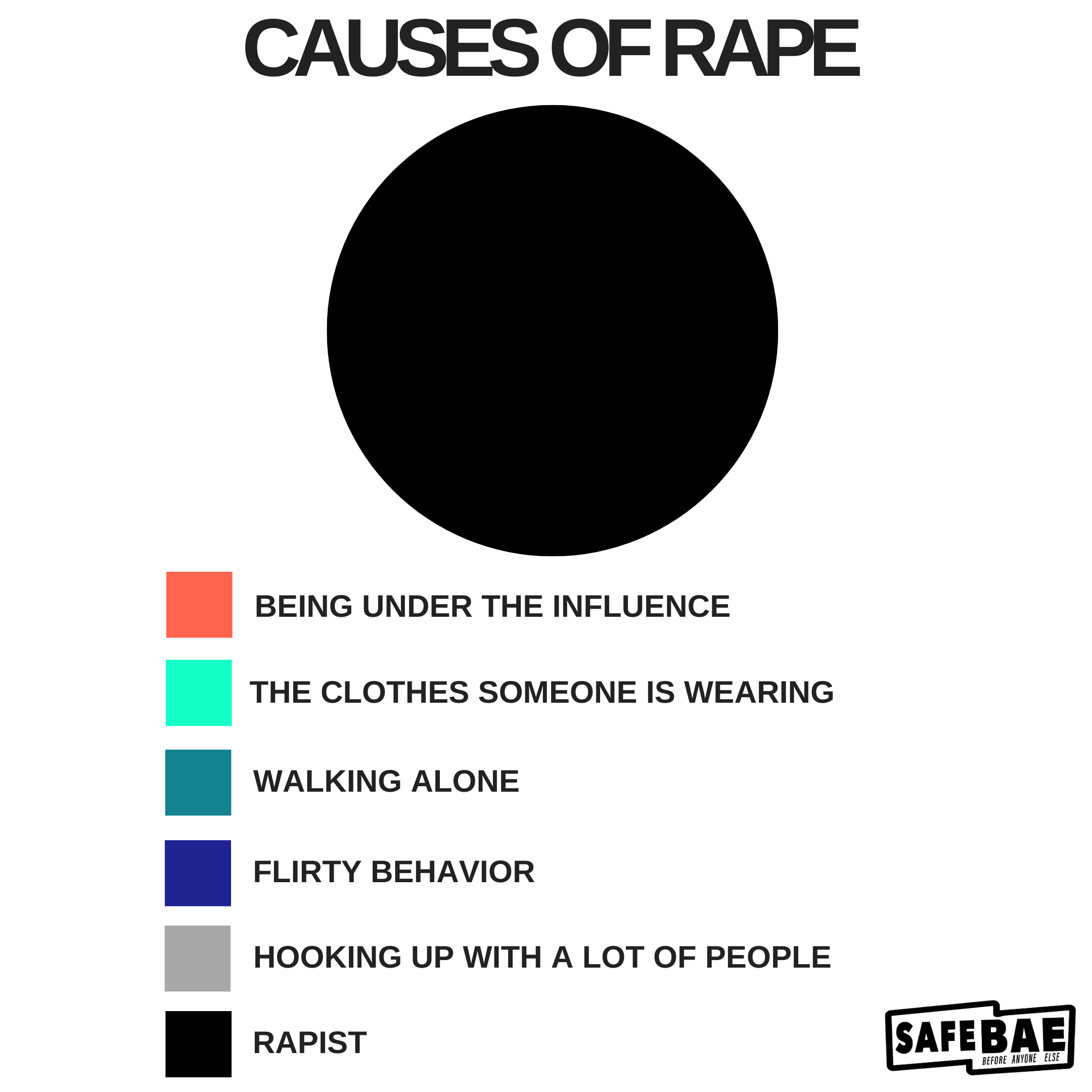
What causes sexual violence?
People blame a lot of things — being under the influence, the clothes someone is wearing, walking alone, flirty behavior, or hooking up with a lot of people. None of these cause sexual violence. It happens when someone chooses to ignore or violate another person’s boundaries and consent.
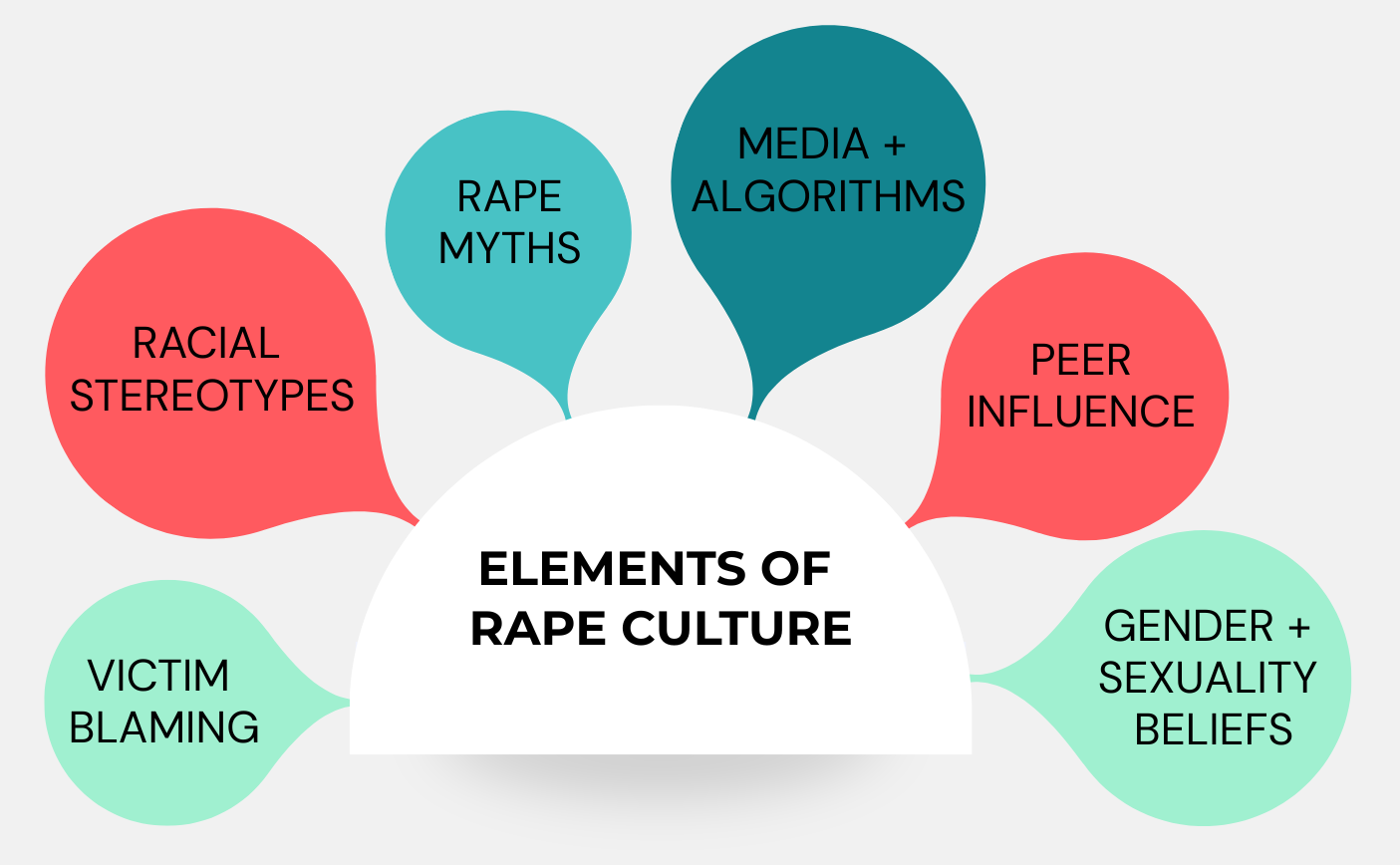
That choice is often reinforced by rape culture — victim-blaming, harmful stereotypes, peer pressure, media, algorithms, and beliefs about gender, sexuality, power, and entitlement. Prevention means holding people accountable and challenging the culture that excuses harm.
Why don't survivors report?
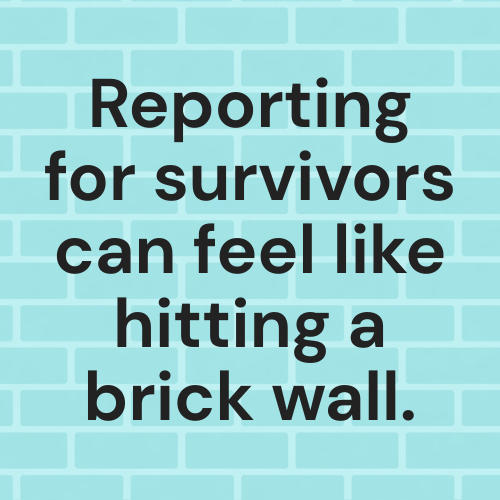
If a survivor doesn’t report to the police, it does NOT mean the violence didn’t happen. There are many reasons someone might not come forward:
- It’s emotionally painful, and trauma can make details hard to remember.
- Shame and stigma — fear of being judged, blamed, or “slut-shamed.”
- Fear of not being believed, or that people will defend the perpetrator.
- Fear that nothing will be done — fewer than 2% of reports lead to a conviction.
- Fear of punishment or retaliation, especially for teens.
- Not realizing what happened was abuse in the first place.
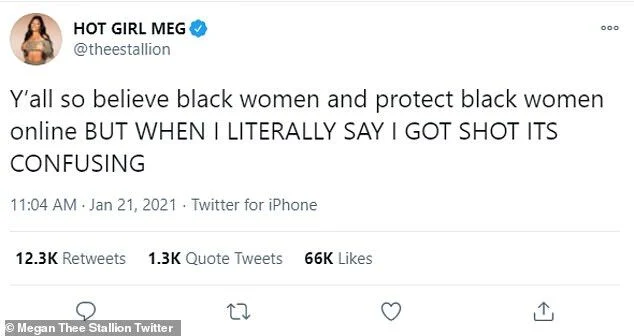
Real Example: Megan Thee Stallion
In 2020, Megan Thee Stallion was harmed by someone she knew. When police arrived, she said she had stepped on glass because she feared the situation could escalate into police violence. After she later spoke out, she was mocked, doubted, and blamed publicly.
Her story shows why reporting is never simple — and why we should never assume silence means nothing happened. Survivors deserve to be believed, supported, and given choices.
Myths vs. Facts
Who is most at risk?
Different identities — and the intersections between them — play a big role in the risk of experiencing violence and in access to reporting and healing resources. As you read these statistics, remember that there’s a lack of research on many marginalized groups, so these numbers are subject to change, and this is in no way a comprehensive list.
Explore the slide deck to learn more about how different marginalized groups experience heightened risk, barriers to reporting, and unequal access to support.
SafeBAE is a 501c3 Not-for-Profit Organization